











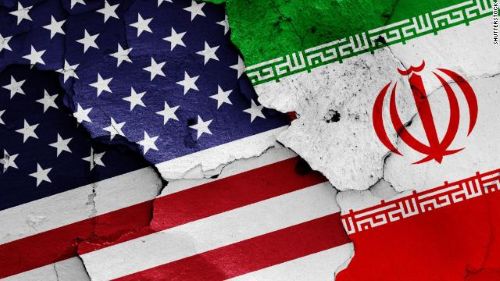
As of April 2026, the smoke is still clearing over the Persian Gulf. Following the massive U.S.-Israeli offensive known as Operation Epic Fury (or Operation Lion’s Roar), the question of “who won” is less about a victory parade and more about a grim tally of what remains.
In modern warfare—especially one involving nuclear ambitions, global energy arteries, and decapitation strikes—the word “win” is highly subjective. Here is a breakdown of how the different players are measuring their “success.”
. The U.S. and Israel: Military Objectives vs. Strategic Chaos
From a purely kinetic standpoint, the U.S.-Israeli coalition achieved what many thought impossible.
- The Decapitation: The killing of Supreme Leader Ali Khamenei in the early stages of the war (February 2026) was a seismic shock to the Islamic Republic’s structure.
- Neutralizing the Threat: Military reports suggest that over 66% of Iran’s missile and drone production has been decimated, and its large naval presence in the Gulf is virtually non-existent.
- Nuclear Setback: Key facilities in Natanz and Arak have been heavily damaged, likely pushing Iran’s nuclear clock back by years.
The Verdict: A tactical “win” in terms of degrading Iran’s offensive capabilities, but a strategic headache. The region is now more volatile than ever, and the “Day After” plan for a leaderless Iran remains dangerously vague.
2. Iran: Defiance Amidst Devastation
If you ask the remaining leadership in Tehran, they are winning a war of “Maximum Resistance.”
- The Strait of Hormuz Leverage: By effectively closing the Strait, Iran has held the global economy hostage. Brent Crude surging past $120 per barrel is a weapon Iran has used to force the West to the negotiating table.
- Regime Survival: Despite the loss of the Supreme Leader and devastating strikes on infrastructure (like the Mobarakeh Steel plant), the clerical and military structure has not collapsed.
- Psychological Warfare: Iran has continued to coordinate “Axis of Resistance” strikes from Hezbollah and the Houthis, proving that even a battered Iran can project fear across borders.
The Verdict: A “win” in terms of survival and leverage. Iran has proven that it can inflict global pain even while its own house is on fire.
3. The Global Economy: The Clear Loser
While the military generals count destroyed launchers, the rest of the world is feeling the “victory” at the gas pump and in the supply chain.
- Energy Crisis: The International Energy Agency has called this the “largest supply disruption in history.”
- The “End of the Narrative”: For decades, the Gulf states (UAE, Qatar, Saudi Arabia) were seen as a safe haven for global investment. That image has been shattered by Iranian counter-strikes on energy fields and civilian infrastructure.
The Final Tally
Did Iran win? No. Its economy is projected to shrink by 10%, its military is a shadow of its former self, and its top leadership has been hollowed out.
Did the U.S. and Israel win? Technically, yes—but at a staggering cost. They removed a primary threat but inherited a regional power vacuum and a global economic crisis.
In the end, the 2026 Iran War looks less like a definitive triumph and more like a Pyrrhic victory for all involved. As President Trump’s April 7 deadline for a total opening of the Strait passes, the “win” feels more like a pause before the next era of Middle Eastern instability begins.


0 Comments